

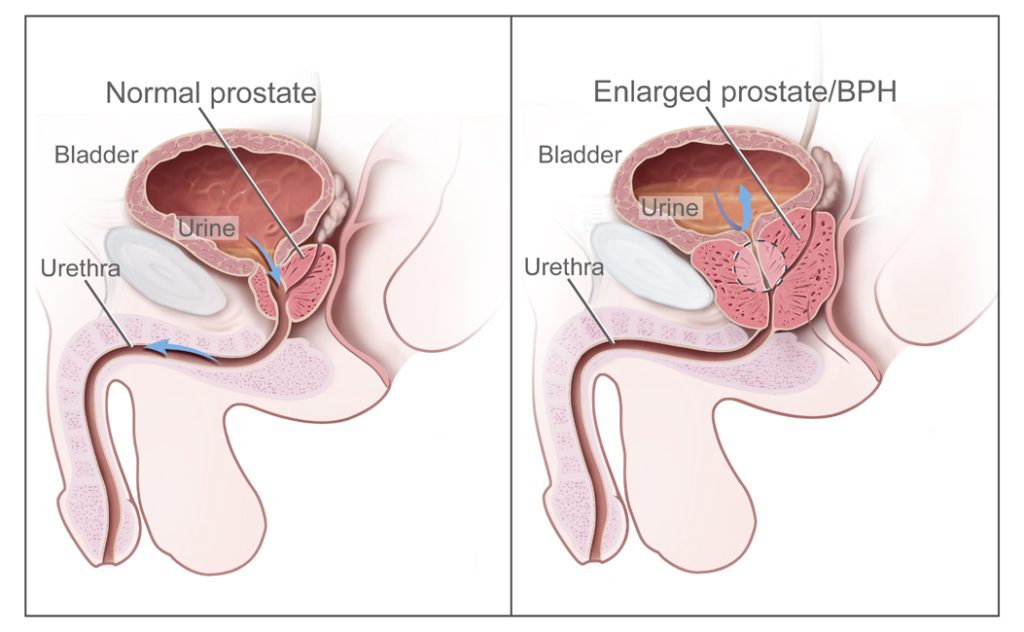
Prostate problems are common in men, especially as they age. The prostate is a small gland located below the bladder that produces fluid for semen. Issues with the prostate can affect urination, sexual health, and overall quality of life. Early evaluation helps manage symptoms effectively and prevents complications.
Understanding Prostate Problems
The most common prostate conditions include:
- Benign Prostatic Hyperplasia (BPH): Non-cancerous enlargement of the prostate that causes urinary symptoms such as frequent urination, weak urine stream, difficulty starting or stopping urination, and incomplete bladder emptying.
- Prostatitis: Inflammation or infection of the prostate, leading to pelvic pain, painful urination, fever, and urinary urgency.
- Prostate Cancer: One of the most common cancers in men. It often grows slowly and may not cause symptoms in early stages, but can lead to urinary issues or blood in urine as it advances.
Other symptoms of prostate problems include nocturia (frequent nighttime urination), pain in the lower back or pelvis, and sexual difficulties. Risk factors include advancing age, family history, obesity, and certain lifestyle habits. Regular check-ups are important, especially after the age of 50.
Expertise in Prostate Care
Dr. Dineshwar Pratap Singh, as a Consultant Urologist, Andrologist, and Renal Transplant Surgeon, provides expert diagnosis and management for all types of prostate problems. He offers personalized care using advanced tools to accurately assess the condition and recommend the most suitable treatment.
From managing bothersome urinary symptoms of BPH to handling complex cases of prostatitis and prostate cancer, Dr. Dineshwar Pratap Singh focuses on relieving symptoms while preserving quality of life and, when possible, sexual function.
Advanced Treatment Approaches
Treatment varies depending on the specific prostate problem:
For BPH, options range from lifestyle changes and medications to minimally invasive procedures. Endoscopic techniques such as TURP (Transurethral Resection of the Prostate) or laser procedures help remove excess prostate tissue, improving urine flow with shorter recovery time.
For prostatitis, treatment usually involves antibiotics, anti-inflammatory medicines, and lifestyle modifications. Chronic cases may require long-term management strategies.
For prostate cancer, treatment is tailored to the stage and aggressiveness of the disease. Options include active surveillance for slow-growing cancers, minimally invasive surgeries, and other targeted therapies. Dr. Dineshwar Pratap Singh emphasizes precision and patient-centered decisions to balance cancer control with side-effect minimization.
Modern endoscopic and laser technologies allow for effective treatment with less pain, reduced bleeding, and quicker return to daily activities.
Conclusion
Prostate problems can significantly impact daily life, but most conditions are manageable with timely medical attention and advanced care. Whether dealing with urinary difficulties from BPH, painful symptoms of prostatitis, or concerns about prostate cancer, expert evaluation is essential. Dr. Dineshwar Pratap Singh brings specialized urological expertise and a compassionate approach to help men achieve better urinary health, comfort, and overall well-being. Don’t ignore persistent symptoms — early intervention leads to better outcomes.